Encuentro Parakou sobre Karité
9 de febrero de 2026 - Mireille Gnammi
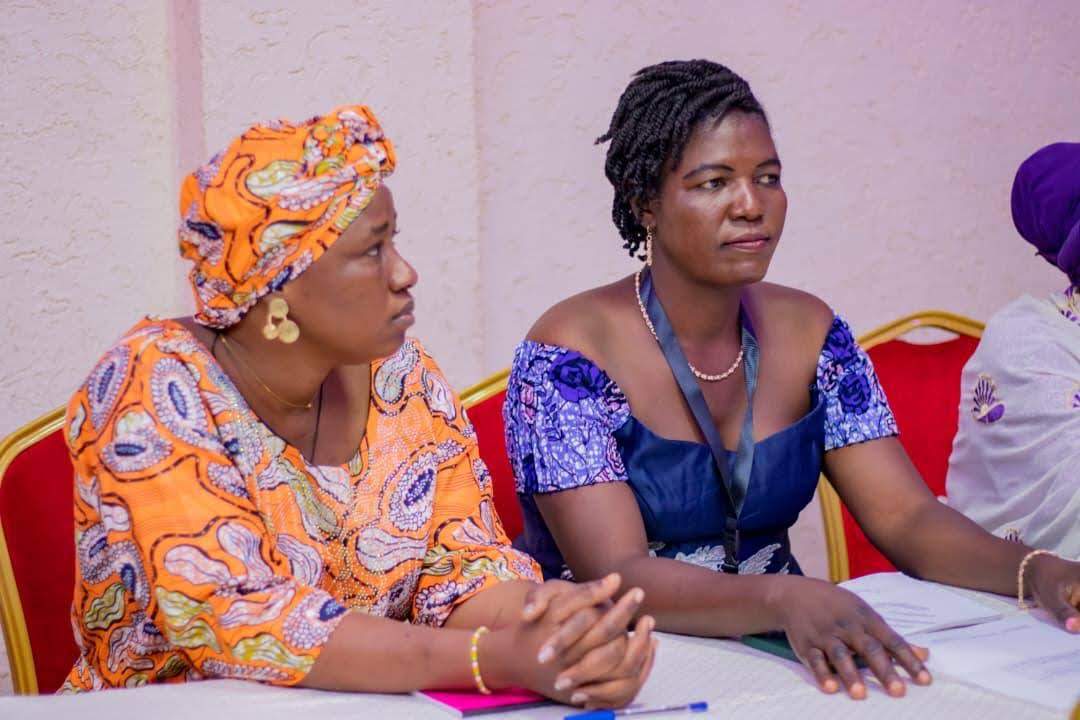
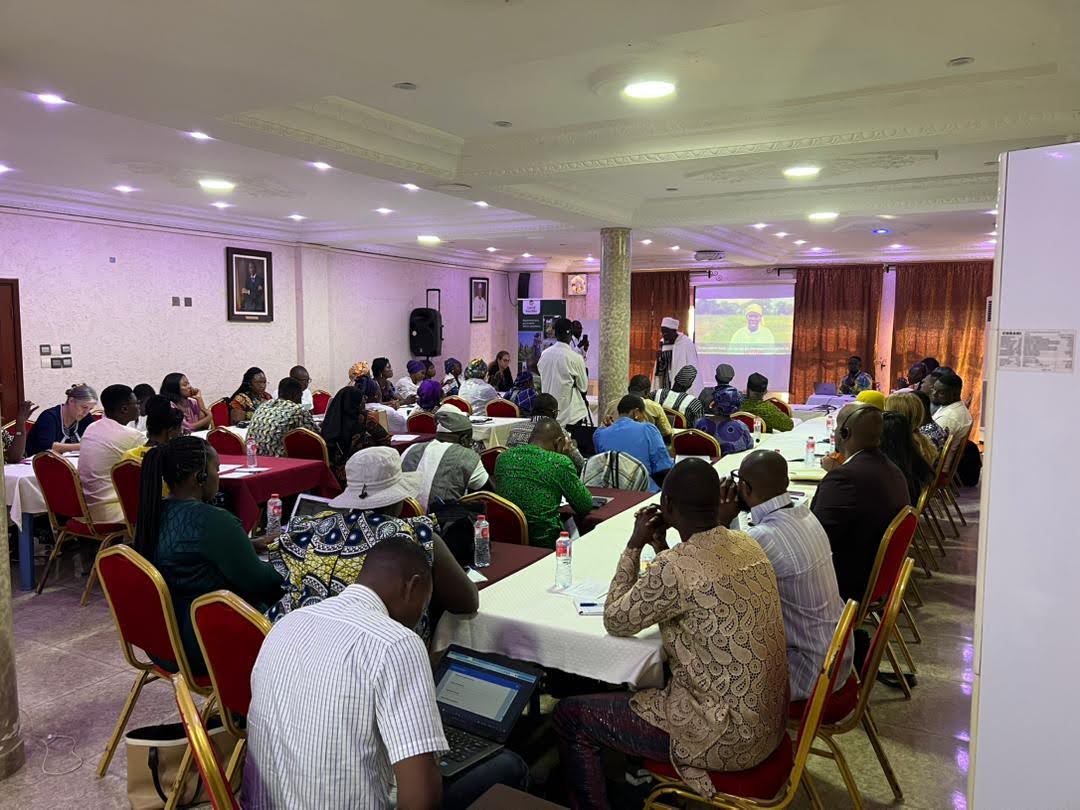
El lunes 9 de febrero de 2026 se celebró en Parakou una reunión sobre el karité. Se trató de un taller organizado por la AGK acerca de los derechos territoriales de las mujeres.
El objetivo principal del taller fue encontrar soluciones a los distintos problemas relacionados con la tenencia de la tierra, especialmente en lo que respecta a las zonas donde las mujeres realizan la recolección.
Nuestra compañera Mireille, responsable del proyecto Nikarit, asistió en representación de OAN International como entidad con papel importante dentro del sector del karité en Benin.
Para la puesta en marcha del proyecto, se contó con una estructura llamada FARMELINE, creada en Ghana en 2013 con el fin de aumentar la productividad de los agricultores en Ghana, Togo y Benín. Esta organización llevó a cabo una encuesta en la que se identificaron 4.806 campos. Primero visitaron a las mujeres recolectoras, quienes las guiaron hasta sus zonas de explotación. A partir de la investigación desarrollaron una herramienta capaz de reconocer los árboles de karité. Con esta herramienta identificaron 91.816 árboles a través de encuestas realizadas a 7.050 mujeres, de las cuales 2.000 se encontraban en Benín.
Según los resultados, el 37 % de las tierras están gestionadas por hombres, el 27 % por mujeres y el 22 % por la comunidad. Sin embargo, la encuesta tuvo limitaciones y no tomó en cuenta todos los parámetros necesarios, como los árboles jóvenes, los árboles productivos o no productivos, ni la distinción entre árboles masculinos y femeninos. Tampoco se consideró la titularidad real de las tierras y solo se encuestó a mujeres, aunque los hombres también están implicados.
Posteriormente tuvo lugar la exposición de una jurista ugandesa sobre la situación de la tenencia de la tierra en los países productores de karité.
A continuación se realizaron trabajos en grupo en torno a cuatro temas principales:
1. Tenencia de la tierra (acceso a la tierra)
Desde tiempos antiguos, en la mayoría de los países africanos la herencia de la tierra se ha reservado exclusivamente a los hijos varones. Se considera que las hijas se casarán y, por tanto, no necesitan tierras, ya que beneficiarían a otra familia. El trabajo se llevó a cabo junto con el representante del emperador de Nikki y varias mujeres, con el objetivo de reflexionar sobre cómo corregir esta injusticia y lograr que las hijas sean tratadas en igualdad de condiciones que los hijos. Se señaló que la situación empieza a mejorar y que en algunas familias las hijas ya reciben el mismo trato. Además, se comprometieron a continuar con la labor de incidencia para alcanzar una igualdad generalizada.
2. Derechos sobre los árboles
Se debatió sobre en qué árboles tienen derecho las mujeres a recolectar y cuáles son los problemas asociados a la recolección de nueces de karité.
Las mujeres pueden recolectar:
- En terrenos pertenecientes a sus maridos.
- En terrenos comunitarios.
- En parques y bosques autorizados, respetando las medidas forestales, incluidos los bosques de galería.
- En terrenos privados con autorización de los propietarios.
Entre los problemas identificados destacan:
- Conflictos que pueden llegar a enfrentamientos graves cuando una mujer entra en una parcela sin autorización para recolectar.
- Riesgo de ataques de animales al acceder a parques sin permiso.
- Violencia conyugal debido a que algunas mujeres priorizan la recolección frente a las labores agrícolas. Algunos hombres, como reacción, talan árboles o incluso entierran las nueces para impedir la recolección.
3. Acceso al crédito y a la financiación
Se analizaron los procedimientos para que las mujeres puedan acceder al crédito:
- Deben organizarse en agrupaciones certificadas o clústeres.
- Es necesario contar previamente con contratos de compra firmados para la manteca o las almendras de karité.
Las mujeres señalaron como principales problemas el desorden en los precios de las almendras y la falta de mercado para la manteca. Se les recomendó apostar por la calidad tanto de las almendras como de la manteca, ya que en años anteriores algunos grandes clientes perdieron la confianza debido a la baja calidad del producto y ahora prefieren comprar almendras para producir su propia manteca.
4. Cartografía digital y próximos pasos
Se anunció la mejora de la aplicación utilizada, incorporando todos los parámetros relacionados con el árbol de karité. Cabe recordar que los datos se recopilaron mediante tecnología satelital.
Tras todas las consultas y debates, se elaboró una breve hoja de ruta en forma de recomendaciones, firmada por todos los participantes, que será enviada desde Benín a los organismos financiadores.