
Un paso más en el proyecto PreMase, se conforman los comités de seguimiento
1 de mayo de 2024 - Álvaro Pascual
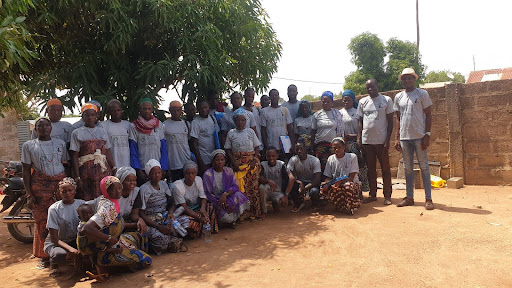
El 26 de abril de 2024 tuvo lugar en Nikki la formación de los miembros de los comités de seguimiento del proyecto PreMaSe.
Tras el éxito logrado con la intervención en 10 pueblos durante las fase I y fase II del proyecto PreMase que trabaja para la erradicación de la malnutrición infantil en las zonas rurales de la comuna de Nikki, se da un nuevo paso con la creación de comités de seguimiento en todos esos pueblos.
Un comité de seguimiento tiene como función monitorear la desnutrición infantil y promover una alimentación saludable en su pueblo, desempeñando un papel crucial en la mejora de la salud de la comunidad.
Cada comité está compuesto por tres personas de la propia población, elegidas por su buen entendimiento con todos los vecinos. Su trabajo se basará en identificar y derivar los casos individuales de MAM (malnutrición aguda moderada) y MAS (malnutrición aguda severa), y también promoverán cambios a nivel comunitario para mejorar la salud nutricional general.
La colaboración con las autoridades locales (relais comunitaires), los profesionales de la salud y la comunidad es esencial para el éxito de estas intervenciones. Estos voluntarios recibirán honorarios de motivación (1500F) y costos de comunicación (1500F), por comité, dependiendo del número de casos.
Estos son los roles que desempeñarán:
- Identificación y registro de casos de desnutrición en niños de 6 meses a 59 meses en colaboración con los relais comunitaires, centros de salud y comunidades locales.
- Evaluación y seguimiento individual
- Seguimiento de indicadores de salud: peso, talla, circunferencia del brazo e ingesta de alimentos, para evaluar el progreso y la eficacia de las intervenciones.
- Realizar evaluaciones periódicas de los niños desnutridos.
- Establecer planes de seguimiento individualizados y ajustados según sea necesario.
- Coordinación con el equipo de Nutrición del OAN para garantizar un tratamiento eficaz y un seguimiento médico adecuado (supervisión conjunta de un trabajador sanitario)
- Promover la lactancia materna y brindar apoyo a las madres lactantes. (sensibilización)
- Asesoramiento y apoyo psicosocial a las familias, para recordar los factores emocionales y sociales vinculados a la desnutrición.
- Fomentar la participación comunitaria en la toma de decisiones relacionadas con la salud y la nutrición.
- Red de apoyo social: Establecer y fortalecer redes de apoyo social para compartir recursos, información y experiencias entre familias.
- Monitorear los recursos alimentarios y evaluar la disponibilidad y accesibilidad de alimentos nutritivos en la comunidad.
- Realización de informes para registrar avances, desafíos y recomendaciones para mejorar las intervenciones.
